
50 & 20 Years Ago
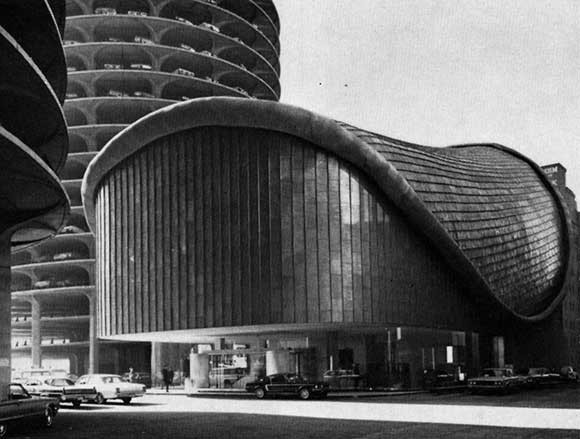
40 Years Ago: Building with steel
Unusual television studio The building illustrated is clad with 85 tons of sheet lead – chosen for its sound insulating qualities – colour a soft grey. …

40 Years Ago: Prize winning steel bridges
Taken from Building with Steel, 1968 The illustrations on this and the facing page show some of the steel bridges chosen for awards in 1967 by the American …
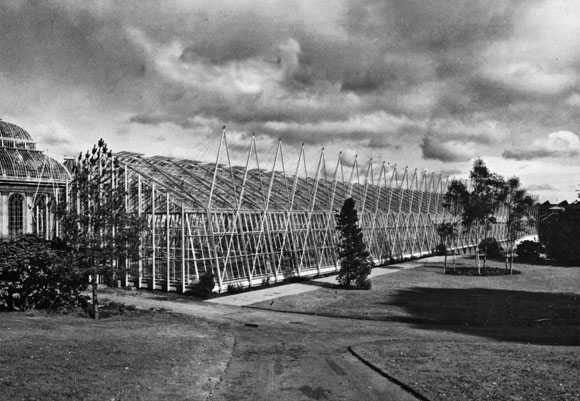
40 Years Ago: New plant houses have been built ‘inside out’
Taken from Building with Steel 1968 The new exhibition plant and orchid house at the Royal Botanic Garden, Edinburgh, are structures of unusual shape and …
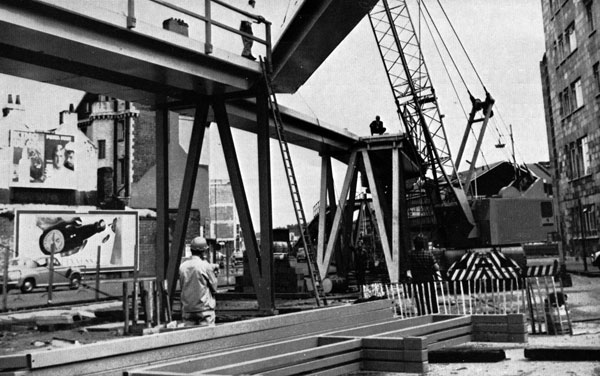
40 Years Ago: Relieving traffic congestion – re-erectable flyover at Bristol
Taken from Building with Steel, 1968 Bristol Corporation’s re-erectable flyover was opened to traffic in September 1967. It has been erected in the first …
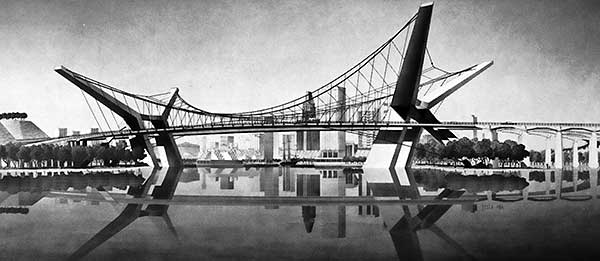
40 Years Ago in BUILDING WITH STEEL
The problem is not an unfamiliar one: an interharbour bridge is to be built as part of an interchange between interstate highways in the United States – in …
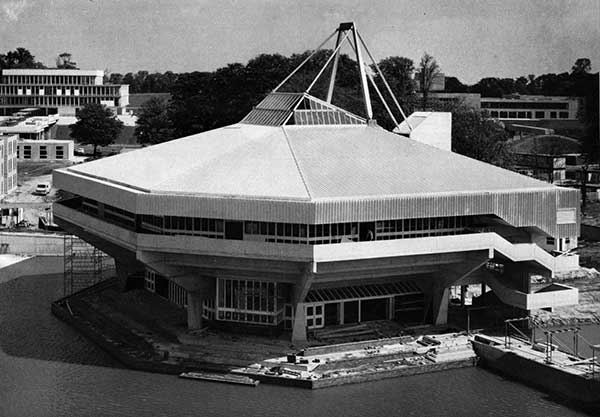
40 Years Ago: University of York – unusual roof structure
The shape of the new Central Hall at York University is of particular interest in that it differs completely from the traditional contours of university …
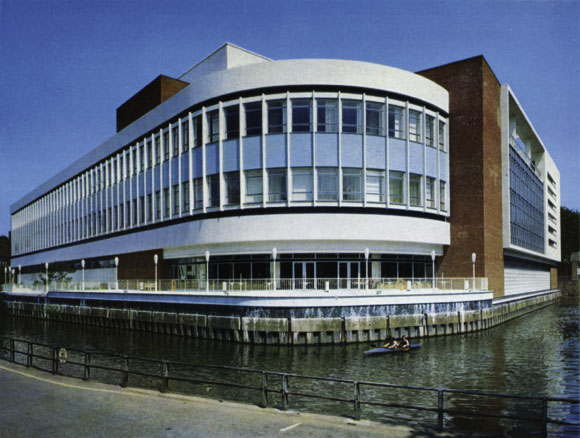
40 Years Ago: A panorama of steel
Taken from Building with Steel, 1968 One dictionary definition of panorama is ‘continuous passing scene’ and this pretty well sums up structural steelwork …

40 Years Ago: ‘Back-to-back’ Cantilever Hangar
Taken from Building with Steel, 1968 Aeroplanes get larger and larger, consequently hangars to house them must grow at a similar rate – and this inevitably …
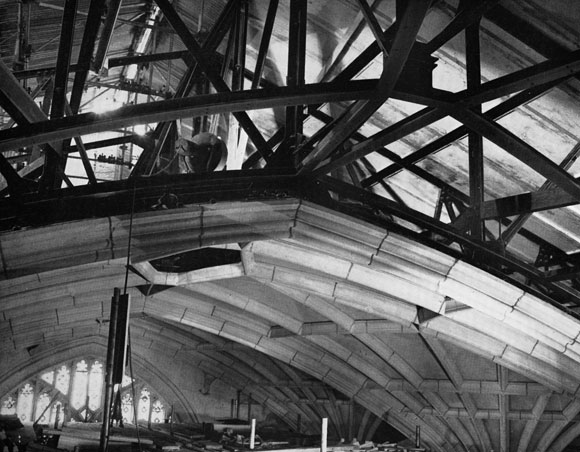
40 Years Ago: Steel trusses eliminate the Death Watch Beetle
Taken from Building with Steel, 1968 (From a report by Lord Holford, FRIBA, MTPI) King Henry VI was the founder of Eton Col- lege Chapel, which was built, as …
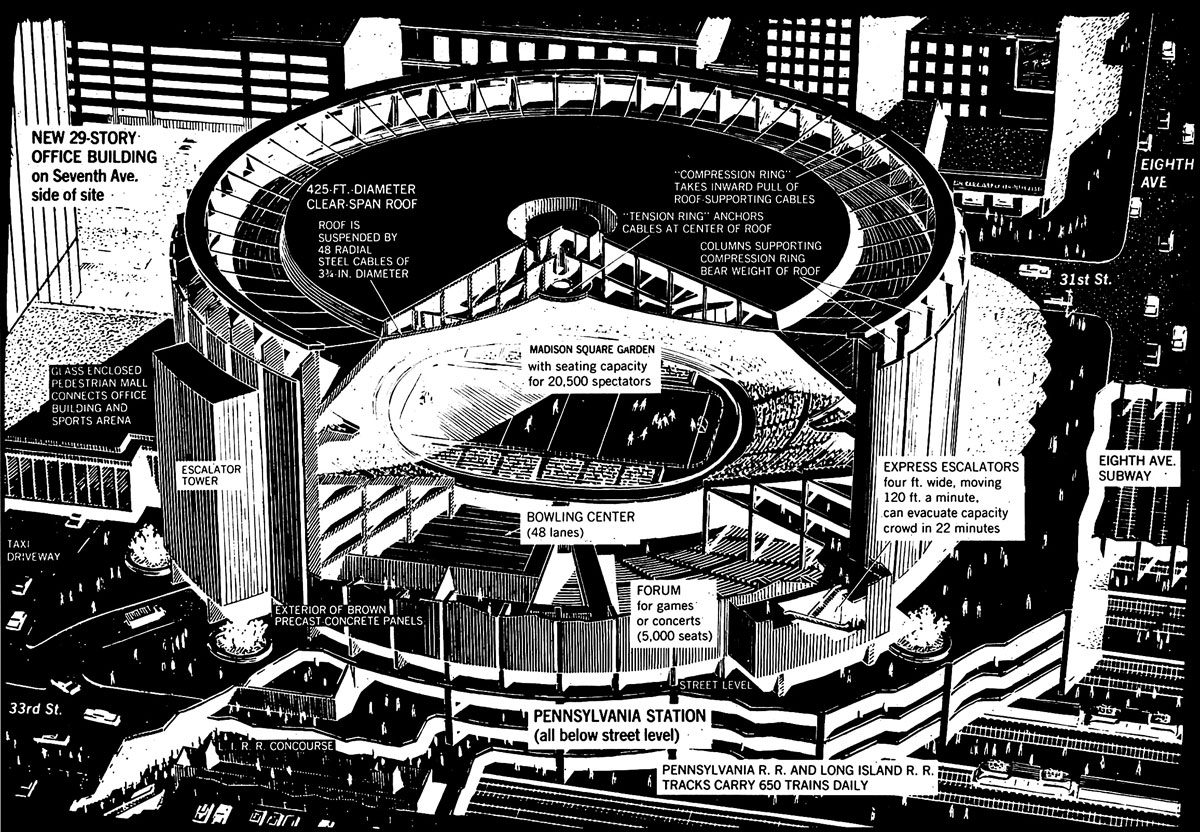
40 Year Ago: America’s largest cable suspension roof (Madison Square Gardens, New York City)
Taken from Building with Steel 1968 This huge circular structure is of outstanding interest because of the number of ‘largest ever’ features to be found in …